
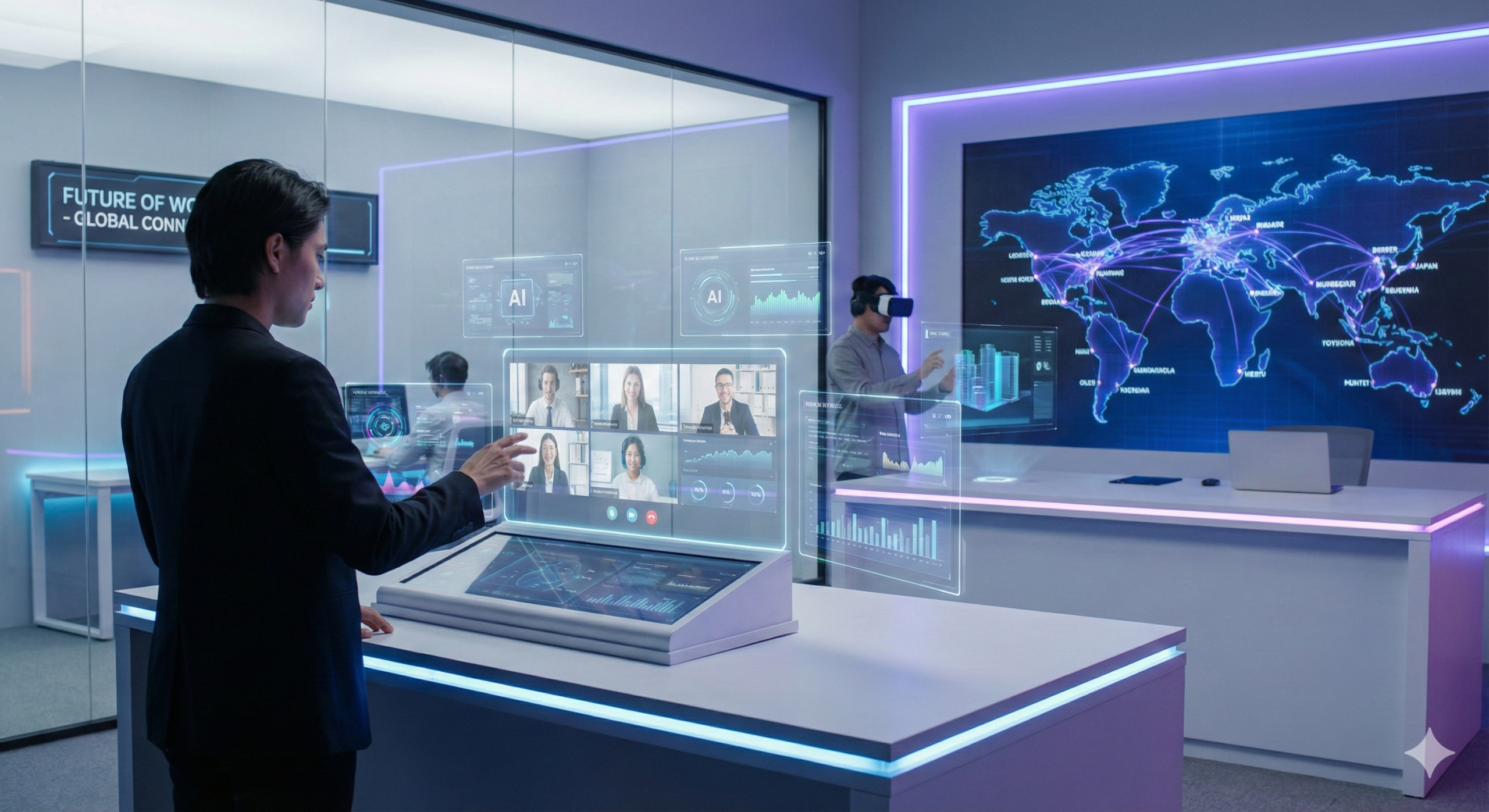
The landscape of work has shifted dramatically over the past decade, and remote collaboration tools are at the centre of this transformation. What started as a temporary necessity quickly evolved into a permanent shift in how organizations operate. Today, remote work is no longer a backup option—it is a strategic advantage. As companies embrace hybrid and distributed teams, collaboration tools have become indispensable for communication, productivity, and innovation. Looking ahead, these tools will become even smarter, more intuitive, and more immersive, reshaping the future of work as we know it.
This article explores the emerging trends, technologies, and strategies that will define the next era of remote collaboration, offering insights into how businesses can prepare for the future.

The Growing Importance of Remote Collaboration Tools
The transition to remote and hybrid work has created new expectations among employees and employers. Professionals now value flexibility, global opportunities, and balanced work environments. Collaboration tools enable this by offering platforms where teams can communicate, brainstorm, and execute projects regardless of location. From video conferencing platforms to project management systems, these tools form a digital workspace that keeps teams aligned.
What makes them essential is their ability to replicate the dynamics of in-person collaboration. Features like real-time chat, screen sharing, cloud document editing, and workflow automation help eliminate barriers created by distance. As companies expand globally, collaboration tools make it possible to work seamlessly across time zones, ensuring efficiency and productivity.
AI-Powered Workflows Are Transforming Collaboration
Artificial intelligence will play a defining role in the future of remote work. Modern collaboration tools are already integrating AI-powered features, but the next decade will bring even more advanced capabilities. Imagine virtual assistants that join meetings automatically, generate summaries, highlight action items, and translate conversations in real time.
AI will support workflows by:
- Recommending task priorities based on deadlines and workload
- Detecting communication patterns to prevent project delays
- Analyzing team performance for smarter planning
- Automating repetitive tasks like scheduling and reporting
These enhancements will free employees from manual work, allowing them to focus on strategic and creative tasks. AI-driven collaboration will not only speed up decision-making but also boost team alignment and operational efficiency.
Virtual and Augmented Reality Will Redefine the Workplace
One of the most exciting trends in remote collaboration is the rise of virtual and augmented reality (VR and AR). The future digital workplace may not be limited to 2D screens. Instead, teams will communicate and collaborate in immersive 3D environments that simulate real offices, meeting rooms, or creative studios.
With VR and AR, workers can:
- Host virtual meetings in lifelike environments
- Visualize complex data or designs in 3D
- Collaborate on engineering, architecture, or creative projects
- Participate in hands-on training or simulations
VR will play a special role in industries where physical presence was once required. Meanwhile, AR tools can help remote technicians, trainers, and designers by overlaying digital instructions onto real-world environments. These technologies bridge the gap between physical and digital workspaces, transforming how teams connect and problem-solve.
The Rise of All-in-One Collaboration Platforms
Currently, many teams use multiple tools for communication, project management, file storage, and documentation. However, this fragmentation often leads to inefficiencies and information overload. The future of collaboration lies in unified platforms—ecosystems that combine all essential tools into one seamless experience.
Integrated collaboration suites will include:
- Messaging and video conferencing
- Cloud document editing
- Task and project management
- Knowledge bases and internal wikis
- AI analytics dashboards
- Secure file storage
Bringing everything together in one system helps reduce context-switching and creates more cohesive workflows. Companies that adopt unified collaboration ecosystems will enjoy better productivity, clearer communication, and easier onboarding for new employees.
Cybersecurity Will Become a Core Priority
As remote collaboration grows, cybersecurity challenges are becoming more complex. Remote work introduces risks such as unsecured networks, unauthorized access, and data breaches. The future of collaboration tools will therefore place strong emphasis on safety and privacy.
Emerging security measures will include:
- End-to-end encrypted communication
- Zero-trust verification models
- Automated threat detection powered by AI
- Enhanced identity authentication tools
- Secure cloud access with user permissions
Collaborative platforms must protect sensitive data without sacrificing usability. Businesses that prioritize strong digital security will gain a competitive advantage by ensuring trust and reliability.
Asynchronous Communication Will Drive Global Collaboration
With teams becoming more geographically diverse, it’s not always realistic for everyone to join real-time meetings. That’s where asynchronous collaboration—communication that doesn’t require immediate responses—comes in.
Future tools will optimize asynchronous teamwork with features like:
- Advanced project boards that adapt to any time zone
- Video and audio messages for updates
- Document collaboration with version history and annotations
- Automated progress summaries using AI
- Threaded conversations for organized brainstorming
This approach reduces the pressure of constant availability and helps employees work at their best times, improving wellness and efficiency.
How Businesses Can Prepare for the Future of Remote Work
To stay competitive in this evolving landscape, organizations should take proactive steps such as:
- Investing in scalable technologies
Choose platforms that can grow with the organization and support new features like AI and VR. - Training employees effectively
Provide learning resources to help teams use advanced tools confidently. - Enhancing digital security
Adopt strong cybersecurity protocols and regularly update systems. - Building a culture of transparency and collaboration
Encourage open communication and knowledge sharing. - Supporting employee well-being
Flexible schedules, balanced workloads, and ergonomic tools help maintain productivity.
Conclusion
The future of work is rapidly unfolding, and remote collaboration tools are shaping the new digital workplace. As AI, VR, and unified platforms continue to evolve, teams will gain unprecedented levels of efficiency, creativity, and connection. Companies embracing these innovations will thrive in a global, hybrid world where flexibility is key. Remote work is not just a trend—it is the foundation of the next generation workforce, empowered by intelligent and immersive collaboration tools.